Many casino promotions sell the headline: a large welcome offer, a few free spins and a rush to the next bonus. A bankroll-first approach asks a plainer question: how much can you afford to leave in the bank, and what should still be there tomorrow? Before opening an account, readers can use the rocket casino withdrawal guidance as one practical reference for payment timing and verification steps, then apply the same discipline to a busy arvo around Broadbeach.
A Bankroll-First Alternative to Bonus Chasing
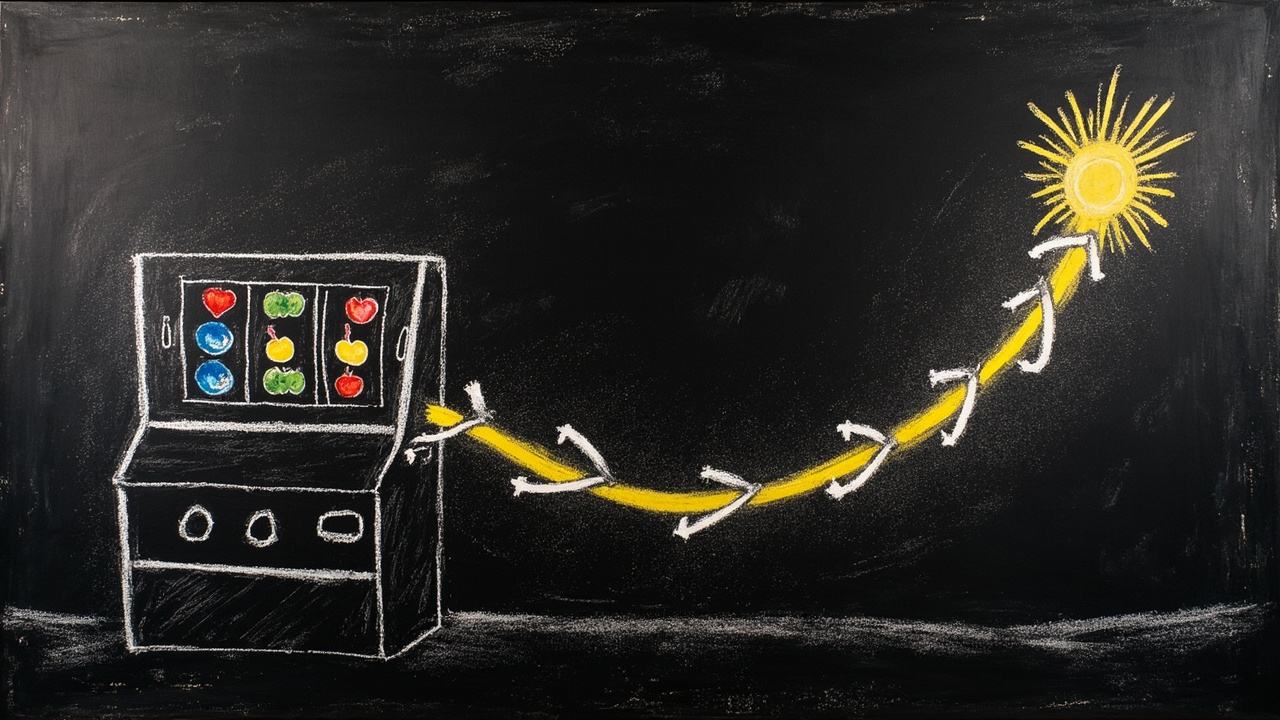
RouBank positions itself as a bankroll-first roulette casino, not a bonus warehouse. Its lobby uses Evolution and Pragmatic Play tables, with live and digital formats suited to a fixed session budget. The welcome offer is a deposit match; what follows is recurring cashback, qualifying-game rewards, VIP status and tournament invitations for repeat customers.
Repeat players should look past the welcome offer. A bonus can make the first session look generous, while weekly cashback or loyalty rewards may matter more to repeat players. The promotional claim is straightforward, but the practical test is whether the terms reward measured play rather than larger deposits. Read them as carefully as the lobby: a reward matters only when it fits a bankroll already set.
For context, Gold Coast readers can compare this approach with licensed land-based venues at Broadbeach, including Jupiters Casino and The Star Gold Coast. A historical counterpoint is Wrest Point Hotel Casino in Hobart, Tasmania, which opened in 1973 as Australia’s first legal casino. That verifiable history does not make offshore operators equivalent to local venues; local rules and offshore terms differ.
Limits That Work Beyond the First Session
Bankroll management becomes concrete at the table for repeat play. A table maximum caps the largest allowed bet, setting a hard ceiling for a single decision. It does not set a loss limit, but it stops one oversized stake from overwhelming the plan. Recording the maximum, choosing a smaller unit and stopping at the session limit makes every session repeatable.
RouBank’s design is to expose those controls before a player deposits, because repeat play starts with knowing the boundary. Its roulette lobby shows the table maximum and minimum, while a session panel translates the chosen stake into a capped number of spins. No roulette system removes variance, and the panel is a planning aid, not a promise. It works only when the player follows the limit after a losing run.
After dinner in Broadbeach, a mobile session can stretch. A fixed stop helps when the next spin seems to promise recovery: reduce a stake that exceeds the planned bankroll, or leave. The same caution applies to pattern-based systems: dominoes evolved from dice, sharing the same spot patterns, but familiarity cannot predict a result.
Ongoing Rewards After the Welcome Offer
Welcome bonuses are easy to compare, but the revealing question is what a returning player receives after the first offer expires. RouBank says recurring cashback is calculated on qualifying roulette activity, with loyalty points and VIP status built around the same bankroll-first mode rather than pressure to increase stakes. A tournament series adds a reason to return, while a recurring deposit-match promotion offers another benefit when the bankroll permits it.
That is not the same as saying every promotion is good. Cashback can be offset by losses, and tournament entry can encourage more play than intended; the terms need checking around wagering conditions, eligible tables and time limits. My view is more cautious than the sales copy: ongoing value is useful when it is transparent and optional, not when it becomes a target to chase.
A companion reading is disciplined bankroll tactics, which turns the principles into a repeatable routine. For players in Sydney or on the Gold Coast, set the session ceiling before logging in, record results afterwards and judge the session against the original budget, not the latest result.
Banking That Protects Repeat-Play Value
Bankroll control works if a player can pause, complete verification and cash out. RouBank’s registration offers AUD and USD balances and requires identity and address verification before play. Card, bank transfer and e-wallet payments are supported. The mobile-first layout puts the balance, session panel and responsible-gambling controls within reach, while live chat handles quick questions and email support handles documentation.
For repeat play, the test occurs at withdrawal, not on the balance display. Check transaction limits for the method, allow for processing time and match the payment source. Record deposits and withdrawals, and ask support before changing details. This distinguishes a failed payment from a spending limit; convenience should not become a trigger to play through the limit.
“Payment predictability matters more than promotional theatre for a bankroll-conscious player,” says Lily Martin, Payments Strategy Director, Pacific Wager Analytics. “Limits are a planning tool, not a guarantee of control,” adds Andrew Murray, Responsible Gambling Adviser, Harbour Bet Insights. An offshore platform cannot be assumed to be licensed or regulated in Australia; check local rules, account terms and payment details before depositing.
- Bankroll: the money consciously set aside for gambling.
- Table maximum: the largest stake allowed at a roulette table.
- Session limit: a personal ceiling for one play session.
- Cashback: a return calculated on qualifying roulette activity, subject to terms.
- VIP status: a tier in the loyalty programme, earned through qualifying activity.
Roulette bankroll management is not a promise of a winning system. It is a way to make decisions legible: set a ceiling, choose bets that fit it, treat the table maximum as a boundary, and judge recurring rewards by what they leave you with after the campaign ends. For adults aged 18+, RouBank is worth considering as a repeat-play option, provided its rewards do not turn the next deposit into pressure: check the local rules and account terms first.